

The Growing Impact of Electric Vehicles
Electric vehicles are one of the biggest developments in automotive technology.
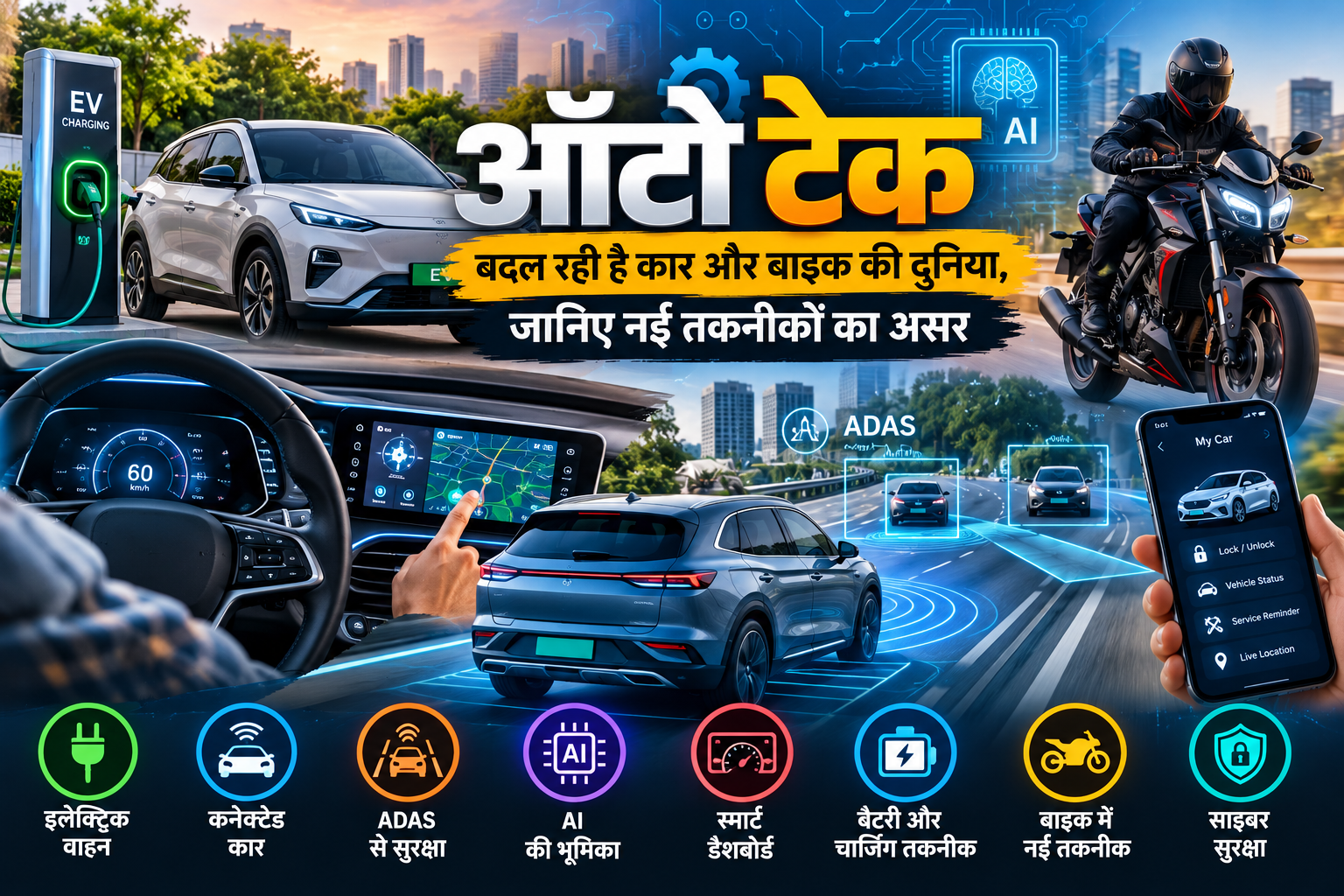
Electric cars and scooters use electric motors and batteries instead of conventional petrol or diesel engines. This changes both the way vehicles operate and their overall technological architecture.
Battery capacity, charging time and charging infrastructure are also areas where technology continues to evolve. Improvements in battery technology could make electric vehicles even more practical in the coming years.
Smart Features in Modern Cars
Modern cars are increasingly equipped with large touchscreens, digital instrument clusters, wireless connectivity and smartphone integration.
Some vehicles also allow owners to use mobile applications to check vehicle status, lock or unlock doors, monitor charging, or receive service-related information.
As a result, the relationship between the vehicle and its driver has become significantly more digital.
ADAS and the Future of Vehicle Safety
Advanced Driver Assistance Systems, commonly known as ADAS, are becoming an important part of modern automotive technology.
These systems can use cameras, radar and other sensors to understand aspects of the road environment.
Depending on the vehicle and system, ADAS features may include lane-departure warnings, assistance with maintaining distance from vehicles ahead, emergency braking and blind-spot alerts.
However, ADAS is not a replacement for the driver. Drivers must remain attentive and maintain control of their vehicles at all times.
The Era of Connected Cars
Connected-car technology allows vehicles to communicate with the internet and digital services.
Depending on the system, certain vehicle information can be accessed through mobile applications or cloud-based platforms. This may include vehicle location, service reminders, battery status or fuel-related information.
Connected technology is expected to become increasingly important in the future of mobility.
The Role of AI in Cars
Artificial Intelligence, or AI, is also becoming an important part of the automotive industry.
AI-based systems can help analyse information such as driving patterns, vehicle sensor data and road conditions.
In the future, AI could play a greater role in predictive maintenance, navigation, driving assistance and creating more personalised vehicle experiences.
At the same time, data security and system reliability will remain important considerations as AI-powered automotive technologies become more common.
Smart Dashboards and Digital Experiences
Vehicle dashboards are becoming increasingly digital.
Traditional instrument clusters are being complemented or replaced by digital displays that can provide navigation, media controls, vehicle information and various driving-related functions.
Some premium vehicles also feature multi-screen layouts and voice-control systems, giving drivers access to a wider range of information and functions.
Technology Is Also Transforming Bikes
The automotive technology revolution is not limited to cars.
Modern motorcycles and scooters are increasingly getting digital instrument clusters, Bluetooth connectivity, navigation, riding modes and smartphone integration.
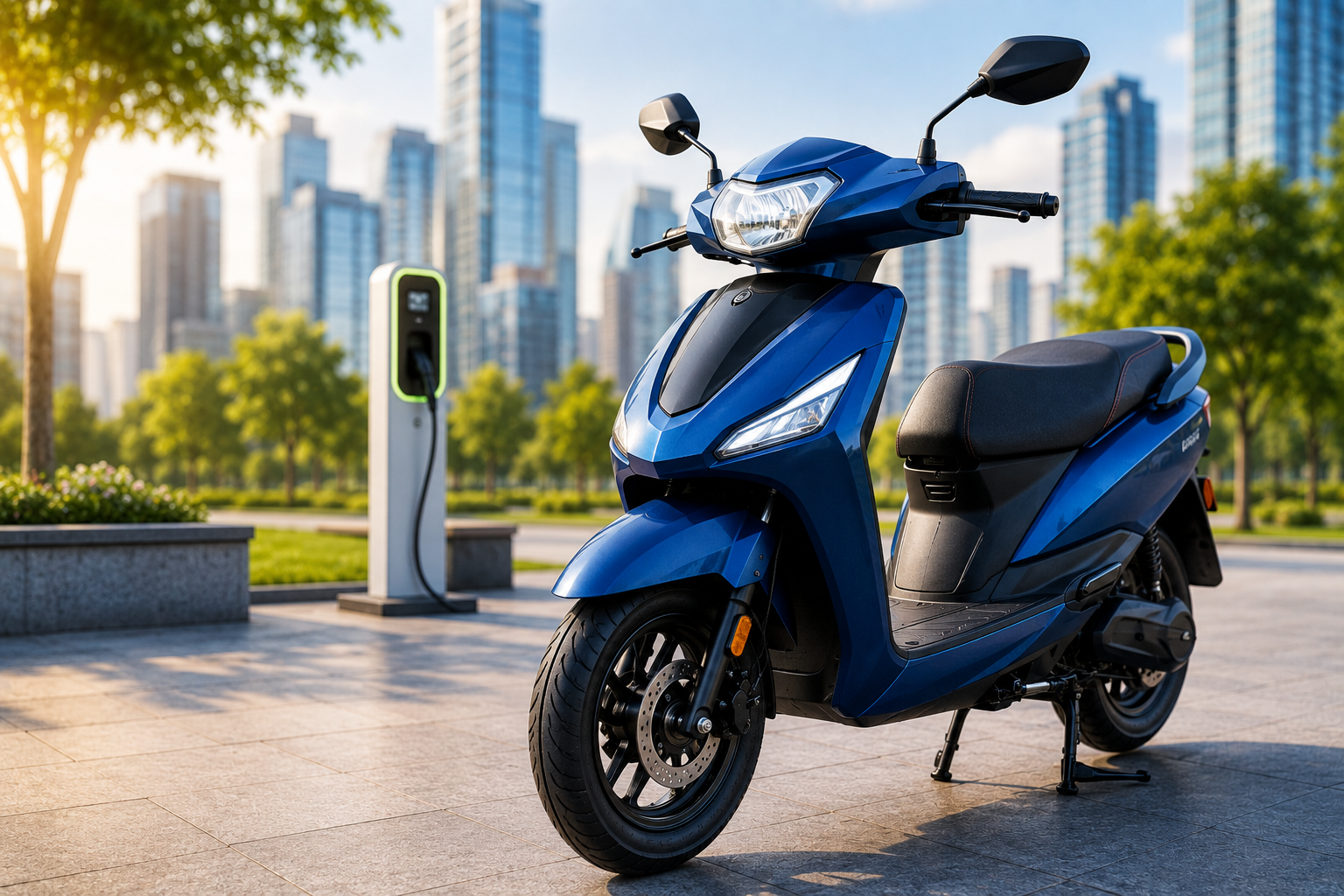
Electric scooters are also offering features such as mobile-app connectivity and digital battery monitoring, changing the overall user experience.
The Future of Battery and Charging Technology
Battery technology will play a crucial role in the development of electric vehicles.
Vehicle manufacturers are working toward greater driving range, improved charging capability and longer battery life. Faster charging technology and the expansion of charging infrastructure could also play an important role in wider EV adoption.
Developments in battery technology over the coming years could have a significant impact on the direction of the automobile industry.
Why Cybersecurity Matters in Auto Tech
As vehicles become increasingly connected to the internet and smartphones, cybersecurity is becoming more important.
Connected vehicles can process and transmit significant amounts of data. Vehicle manufacturers therefore need to focus on software security, data privacy and secure software-update systems.
The vehicles of the future will need not only reliable hardware but also secure software.
The Future of Auto Tech in India
India's automobile market is moving rapidly toward digital and technology-driven mobility. Electric vehicles, connected cars, smart features and driving-assistance systems are gradually becoming more accessible to consumers.
As smartphone and internet usage continues to expand beyond major cities, expectations around digital vehicle features are also changing.
Cities such as Dhanbad could also see greater adoption of electric vehicles, smart charging, digital vehicle servicing and connected mobility in the years ahead.
Conclusion
Automotive technology is taking the vehicle industry into a new era. From electric vehicles and AI to ADAS, connected cars and smart dashboards, technology is changing how people drive and interact with their vehicles.
In the future, vehicles are likely to become increasingly smart, connected, safer and technology-driven.
The journey of auto technology has only just begun, and the coming years could bring even bigger changes to the way cars and bikes are designed, operated and experienced.


Comments