
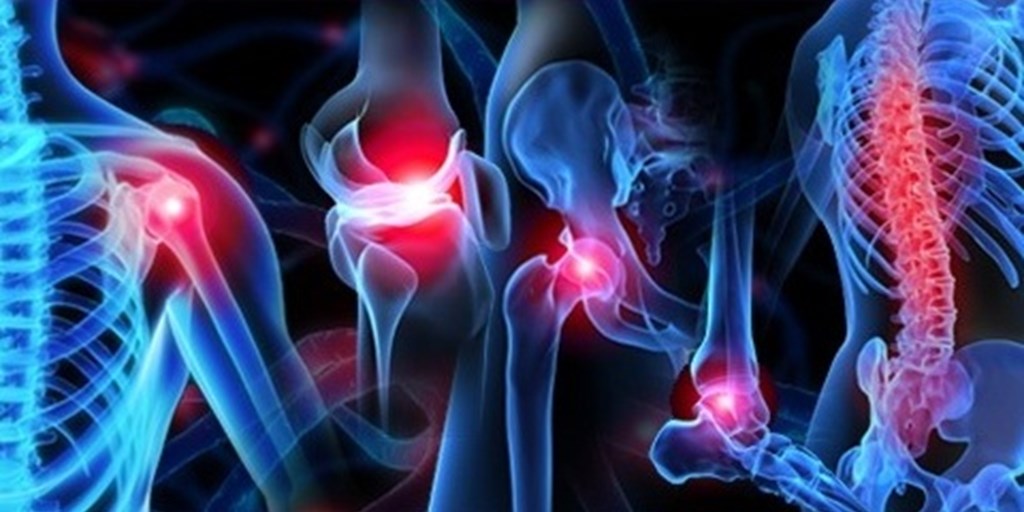
Weakening of bones is a natural part of aging. However, if proper care is not taken, weak bones can become vulnerable to various diseases. Learn more about common bone disorders and how to prevent them.
The human body contains 206 bones, which provide structure and enable movement. Throughout life, bones constantly undergo a process of renewal and remodeling. During childhood and adolescence, new bone formation occurs rapidly. However, after the age of 20, this process gradually slows down.
To reduce the risk of bone diseases later in life, it is important to take care of your bone health from an early age. Maintaining adequate levels of calcium, vitamin D, and protein, along with regular exercise and healthy lifestyle habits, can help keep bones strong and reduce the risk of fractures and other bone-related conditions.
Osteoporosis
According to a report by the International Osteoporosis Foundation, osteoporosis is one of the most common bone disorders among older adults. In this condition, bones become so weak and brittle that even a minor fall can result in a fracture. Osteoporotic fractures most commonly affect the hip, wrist, and spine.
Paget's Disease of Bone
Another bone disorder commonly seen in older adults is Paget's Disease of Bone. In this condition, abnormal bone remodeling causes new bone tissue to replace old bone tissue improperly. Over time, the affected bones become weak, enlarged, and fragile. The disease most often affects the skull, spine, and legs.
Bone Cancer
Bone cancer is a serious and potentially life-threatening bone disease. Although it is less common than many other forms of cancer, older adults with weakened bones may be at a higher risk. Bone cancer most frequently affects the pelvis and the long bones of the arms and legs. It remains a relatively rare form of cancer.
Osteomyelitis
Osteomyelitis is an infection of the bone that can cause significant discomfort and complications. The infection may spread to the bone through the bloodstream or nearby tissues. It can also develop when germs enter the bone through an injury or open wound.
What to Eat to Protect Your Bones
A healthy diet plays a vital role in preventing bone diseases. Foods rich in calcium, vitamin D, and other essential nutrients help maintain strong and healthy bones.
Some good sources include:
- Milk, cheese, yogurt, and other dairy products for calcium
- Eggs and fish for vitamin D
- Green leafy vegetables
- Fresh fruits
- Whole grains
These nutrients are essential for maintaining bone strength and overall skeletal health.
Maintain a Healthy Lifestyle
Adopting a healthy lifestyle is crucial for protecting your bones and overall well-being. Important habits include:
- Eating nutritious meals on time
- Getting adequate sleep
- Sleeping 7–8 hours every night
- Exercising regularly
- Maintaining a balanced daily routine
These practices contribute to stronger bones and a healthier life.
Avoid Smoking and Excessive Alcohol Consumption
Excessive alcohol consumption can interfere with the body's ability to absorb vitamin D and calcium, increasing the risk of bone diseases. Alcohol can also affect hormone levels, which may negatively impact bone health.
Smoking is directly linked to reduced bone density. As a result, smokers have a higher risk of developing osteoporosis and other bone-related disorders.
Disclaimer
This article is intended for general informational purposes only. It should not be considered a substitute for professional medical advice, diagnosis, or treatment. For any health concerns or medical conditions, always consult a qualified healthcare professional.
Source: Navbharat Times