

What Is Cybercrime?
Cybercrime generally refers to illegal activities involving computers, smartphones, networks, the internet or other digital systems.
It can include online scams, identity-related fraud, fake websites, social media scams, banking fraud and other forms of digital deception.
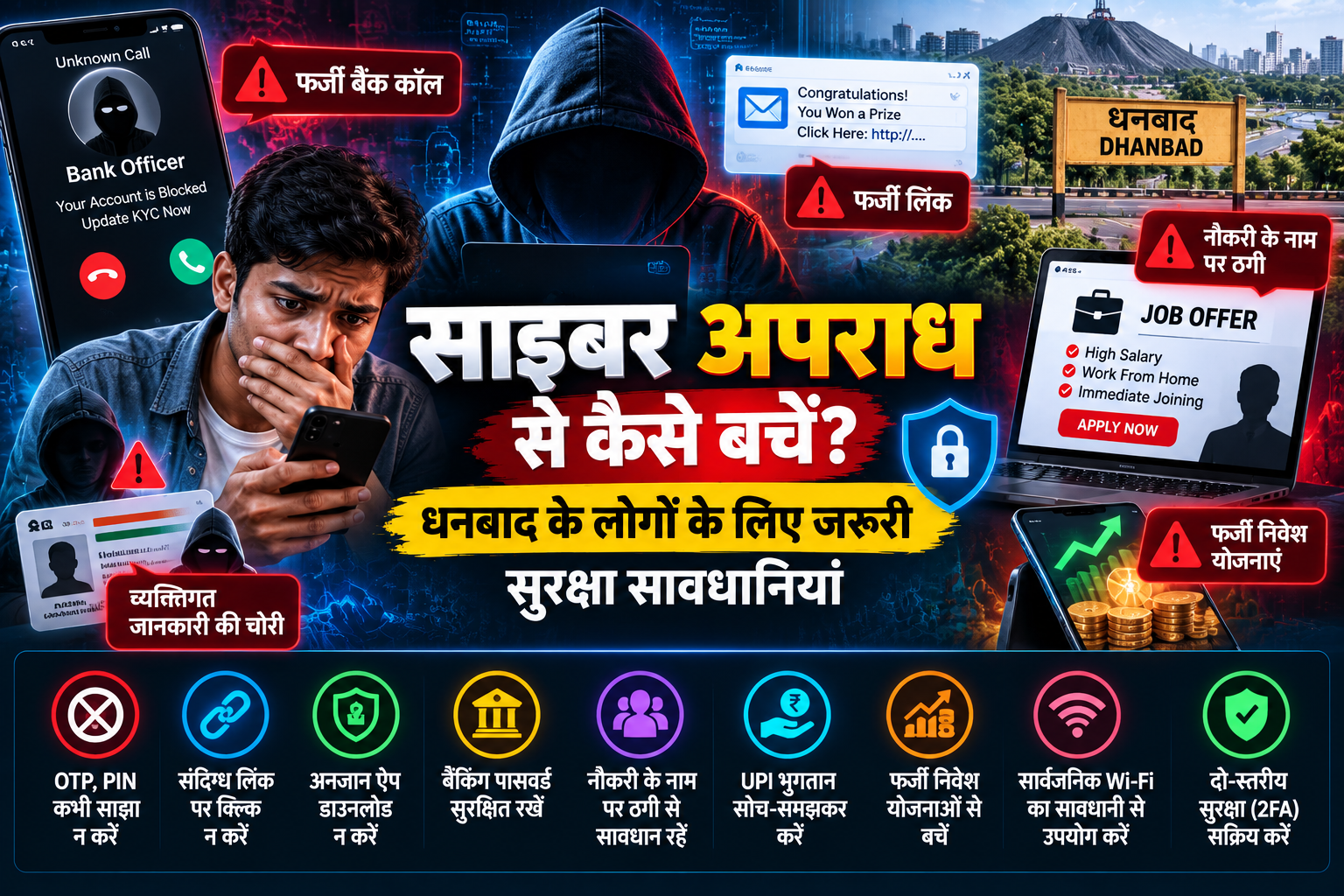
Be Careful with Fake Bank Calls
Scammers may sometimes pretend to be bank employees, customer-care representatives or officials from other organisations.
They may claim that there is a problem with your account, ask you to update KYC information, or tell you that your card or account is about to be blocked.
Never share sensitive information such as your OTP, PIN, CVV, UPI PIN or internet-banking password with an unknown person.
Be Careful When Using UPI and QR Codes
Small mistakes during digital payments can sometimes result in financial losses.
Before scanning a QR code, make sure you understand why the payment is being requested and who will receive the money.
Generally, you do not need to enter your UPI PIN simply to receive money. If someone asks you to enter your PIN or click a suspicious link to receive a payment, treat the request with caution.
Beware of Fake Job Offers
People looking for employment can also become targets of online scams.
Fraudsters may advertise attractive salaries, immediate joining or work-from-home opportunities and then ask candidates to pay registration fees, security deposits or other charges.
Before sending money for a job opportunity, independently verify the company, website and employment offer.
Stay Alert on Social Media
Personal information should be shared carefully on social media platforms.
Avoid publicly sharing sensitive information such as your phone number, home address, financial details or detailed travel plans.
Be cautious when receiving links, files or application downloads from people you do not know.
Be Careful with Fake Investment Schemes
Promises of making quick or unusually high returns can sometimes be used to attract victims into fraudulent investment schemes.
If someone promises guaranteed or unusually high returns within a short period, investigate the opportunity carefully before investing.
Investment decisions should not be based solely on unsolicited messages or advice from unknown people on social media.
Avoid Suspicious Links
Check the source of links received through SMS, email or social media before opening them.
A fake website can sometimes look very similar to a legitimate one. For banking, government services and other important platforms, it can be safer to manually enter the official website address or use the organisation's verified application.
What Should You Do If You Are Scammed?
If you become a victim of an online scam, do not panic. Take action as quickly as possible.
First, contact your bank or relevant financial service provider and ask what immediate steps can be taken to protect your account and transaction.
You should also report the incident through India's official cybercrime reporting system. For financial fraud, reporting quickly can be particularly important.
If necessary, contact the local police and preserve evidence such as screenshots, messages, phone numbers, emails, transaction details and other relevant records.
Educate Children and Senior Citizens
Cybersecurity is not only important for young internet users.
Children may interact with unknown people through social media or online games, while senior citizens can sometimes be targeted by scams involving banking, KYC or account-related issues.
Families should discuss basic online safety with everyone and make sure they understand that sensitive information should never be shared with unknown callers or online contacts.
Simple Rules for Better Cybersecurity
Following a few basic habits can reduce the risk of online fraud:
- Never share your OTP or UPI PIN with anyone.
- Avoid clicking suspicious links.
- Do not install applications from untrusted sources.
- Never share your banking passwords.
- Use strong and unique passwords for important accounts.
- Enable two-factor authentication whenever it is available.
- Avoid sharing excessive personal information on social media.
- Independently verify investment and job opportunities.
- Check the recipient's name and payment amount before completing an online transaction.
- Contact the relevant organisation immediately if you notice suspicious activity.
Awareness Is the Best Defence
There is no single method that can completely eliminate the risk of cybercrime, but awareness and careful online behaviour can significantly reduce the chances of becoming a victim.
Scammers often try to exploit fear, urgency, greed or trust. Instead of immediately responding to a suspicious call, message or offer, take a moment to verify the information.
As digital services continue to expand in Dhanbad and across India, safe internet usage is becoming an important responsibility for individuals, families and communities.
Stay alert, verify information before acting, and protect your digital identity and financial information.


Comments