6G Emerges as a Major Focus
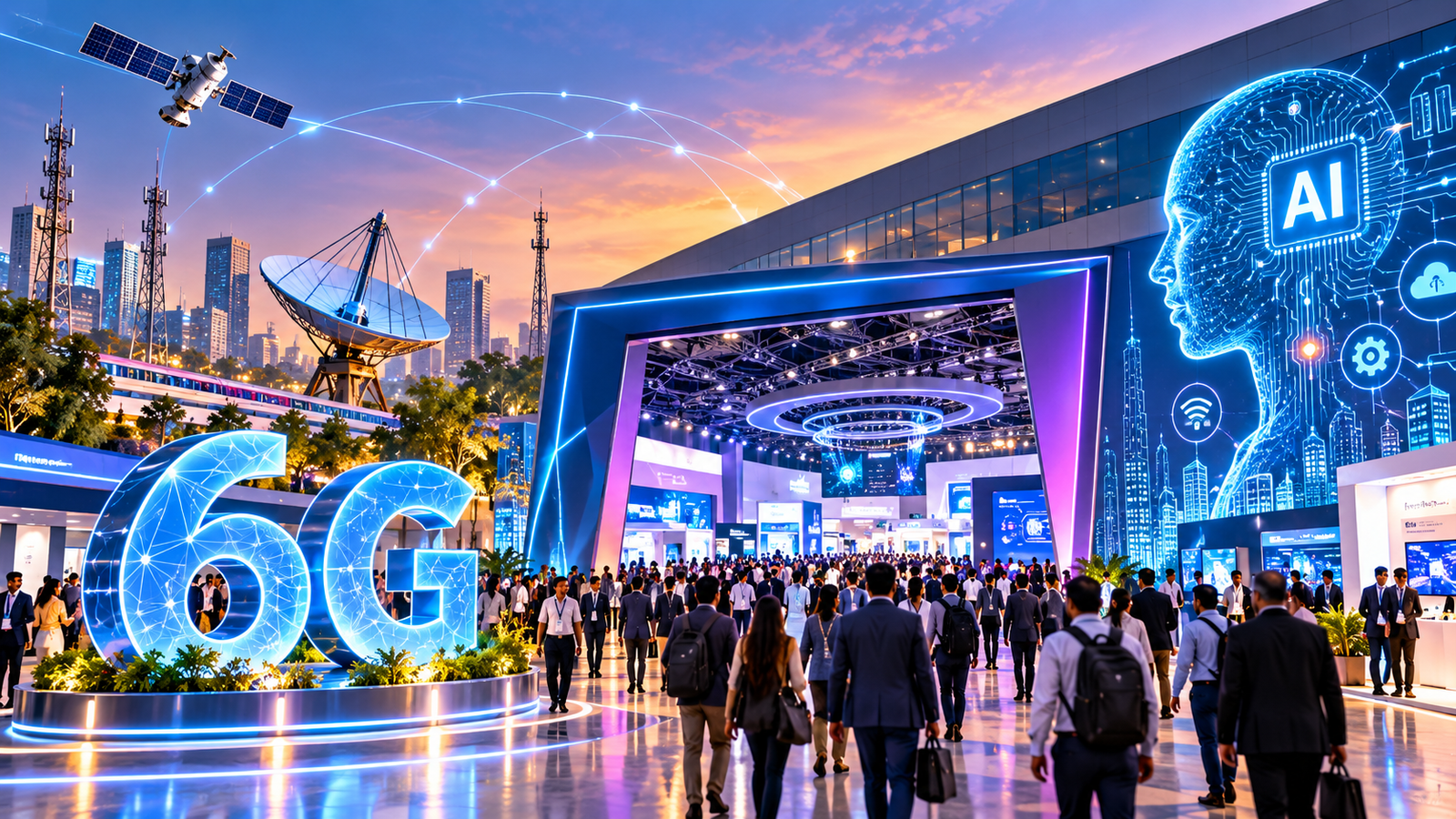
While 5G networks continue to expand and evolve, the technology industry is already working toward the next generation of mobile connectivity.
6G is expected to go beyond simply offering faster internet speeds. Future networks could support highly responsive connected systems, advanced industrial applications, immersive digital experiences and large-scale machine-to-machine communication.
The technology could become particularly important for areas such as smart cities, autonomous systems, healthcare, manufacturing and connected infrastructure.
AI and Telecom Are Moving Closer
Artificial intelligence is becoming an increasingly important part of modern telecommunications.
At IMC 2026, AI-native telecom technology is expected to receive significant attention. AI can help operators analyse network performance, identify potential problems, automate operations and improve the experience of users.
AI-powered networks could eventually make many network-management decisions automatically, helping operators respond to changing traffic conditions and service requirements more efficiently.
The combination of AI and telecommunications could also support new services that depend on real-time data processing.
Cybersecurity Becomes More Important
As more devices, businesses and public services become connected, cybersecurity is becoming a central technology challenge.
A larger digital ecosystem also creates more opportunities for cybercriminals. Telecom operators and technology companies therefore need stronger systems for protecting networks, devices and user information.
The focus on cybersecurity at IMC 2026 comes at a time when India is also strengthening its broader cybercrime and digital-security infrastructure.
For ordinary users, the growth of connected services means that basic digital-security practices—such as using strong passwords, enabling multi-factor authentication and avoiding suspicious applications and links—remain increasingly important.
Satellite Connectivity Could Expand Digital Access
Another major technology area expected to feature prominently is satellite communication.
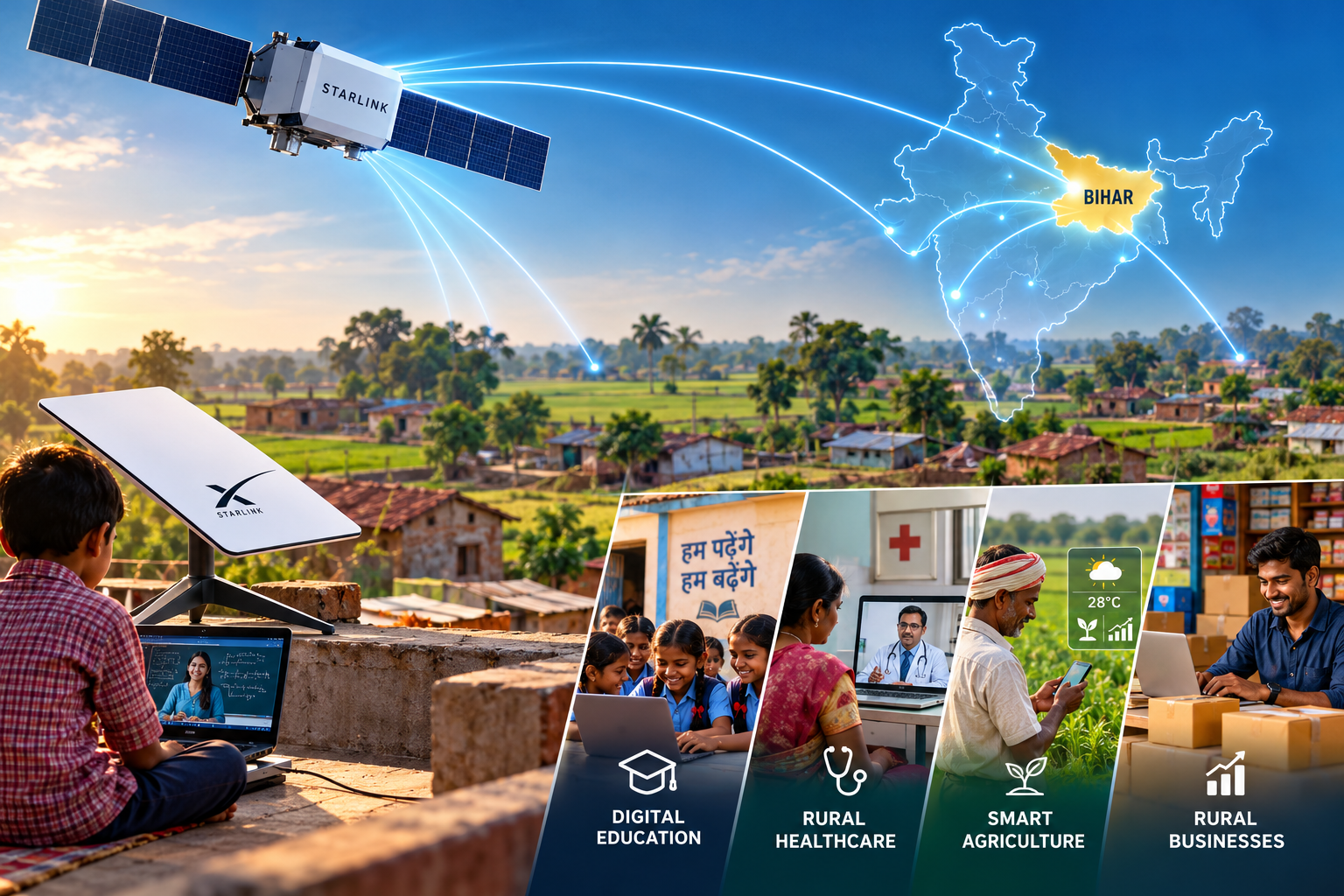
Satellite-based connectivity can complement traditional mobile and fibre networks, particularly in locations where conventional infrastructure is difficult or expensive to deploy.
For India, this could have implications for remote communities, disaster-response operations, transportation, maritime connectivity and other applications requiring communication beyond conventional terrestrial networks.
5G Is Still Important
Despite the growing focus on 6G, the development and monetisation of 5G services remains an important part of India's telecom story.
The next phase of 5G adoption is expected to involve more enterprise applications rather than simply faster smartphone internet.
Industries can potentially use private or specialised 5G networks for factories, logistics, healthcare, ports, mining and other large-scale operations.
This could make connectivity an important component of industrial digital transformation.
What It Could Mean for Indian Consumers
The technologies being discussed at IMC 2026 may eventually affect everyday digital experiences.
Consumers could see improvements in areas such as:
- Faster and more reliable connectivity
- Smarter mobile and broadband services
- AI-powered digital applications
- Better network reliability
- Expanded satellite connectivity
- More connected smart devices
- Improved cybersecurity systems
- New immersive digital experiences
However, the benefits of new technology will depend not only on network infrastructure but also on affordability, device availability, privacy protection and digital literacy.
India's Growing Technology Ambition
India's technology ecosystem is moving beyond basic connectivity toward a broader digital infrastructure built around AI, advanced networks, cloud computing, semiconductors and connected devices.
IMC 2026 provides an opportunity for industry and policymakers to discuss how these technologies can be developed and deployed at scale.
The transition from 5G to future 6G networks will not happen overnight. It will require investment in infrastructure, spectrum, research, devices, cybersecurity and skilled professionals.
The Road Ahead
The most important question is no longer simply how fast a mobile network can become.
The larger question is what can be built on top of that network.
With AI becoming embedded in telecom infrastructure, satellite connectivity expanding the reach of digital services and 6G research accelerating, India's telecommunications sector is entering a new phase.
India Mobile Congress 2026 is therefore expected to provide an important look at the technologies that could shape India's digital landscape over the coming years.


Comments