
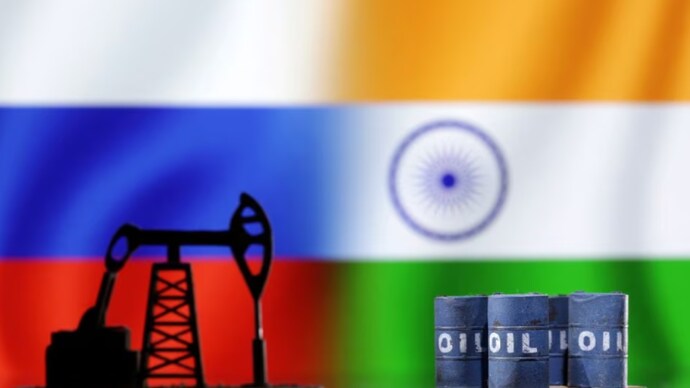
New Delhi: Nearly half of the growth in global oil demand over the next decade is expected to come from India, according to Igor Sechin, CEO of the Russian oil giant Rosneft.
According to a report published Saturday by the Russian state news agency TASS, Sechin made the remarks while addressing the St. Petersburg International Economic Forum. He emphasized that India occupies a particularly important position in the global oil market.
Sechin stated:
"Almost half of the growth in global oil demand over the next ten years will come from this country (India)."
Strong Growth in India's Oil Consumption
Citing projections from the International Energy Agency (IEA), Sechin said:
- By 2035, India's oil consumption is expected to reach approximately 8 million barrels per day.
- This represents a 44% increase in oil demand.
- By comparison, total global oil demand is projected to grow by only 5% during the same period.
India and China Benefited from Russian Oil
The Rosneft chief also said that Russian oil supplies since April 2022 have generated significant economic benefits for both India and China.
Sechin claimed that:
- The cumulative value of these benefits has exceeded $40 billion.
- Russia's economic partnerships with India and China have helped ensure stable energy supplies.
- Russia cannot be excluded from global supply chains due to its importance in energy markets.
Warning Over the Strait of Hormuz
Sechin warned that any disruption to shipments passing through the Strait of Hormuz could trigger sharp increases in fertilizer and food prices worldwide.
He noted that India is among the countries most vulnerable to such disruptions.
According to TASS's report quoting Sechin:
- Fertilizer prices have risen by nearly 60% during the first four months of the year.
- Supply disruptions and a lack of strategic reserves in affected markets have increased the risk of a global food crisis.
Countries Most at Risk
Sechin added that, in the event of fertilizer supply disruptions, the regions most vulnerable to food-price shocks would include:
- India
- Countries across Africa
- Nations in Southeast Asia
These economies are particularly sensitive to rising agricultural input costs and disruptions in global food supply chains.
Source: Navbharat Times